
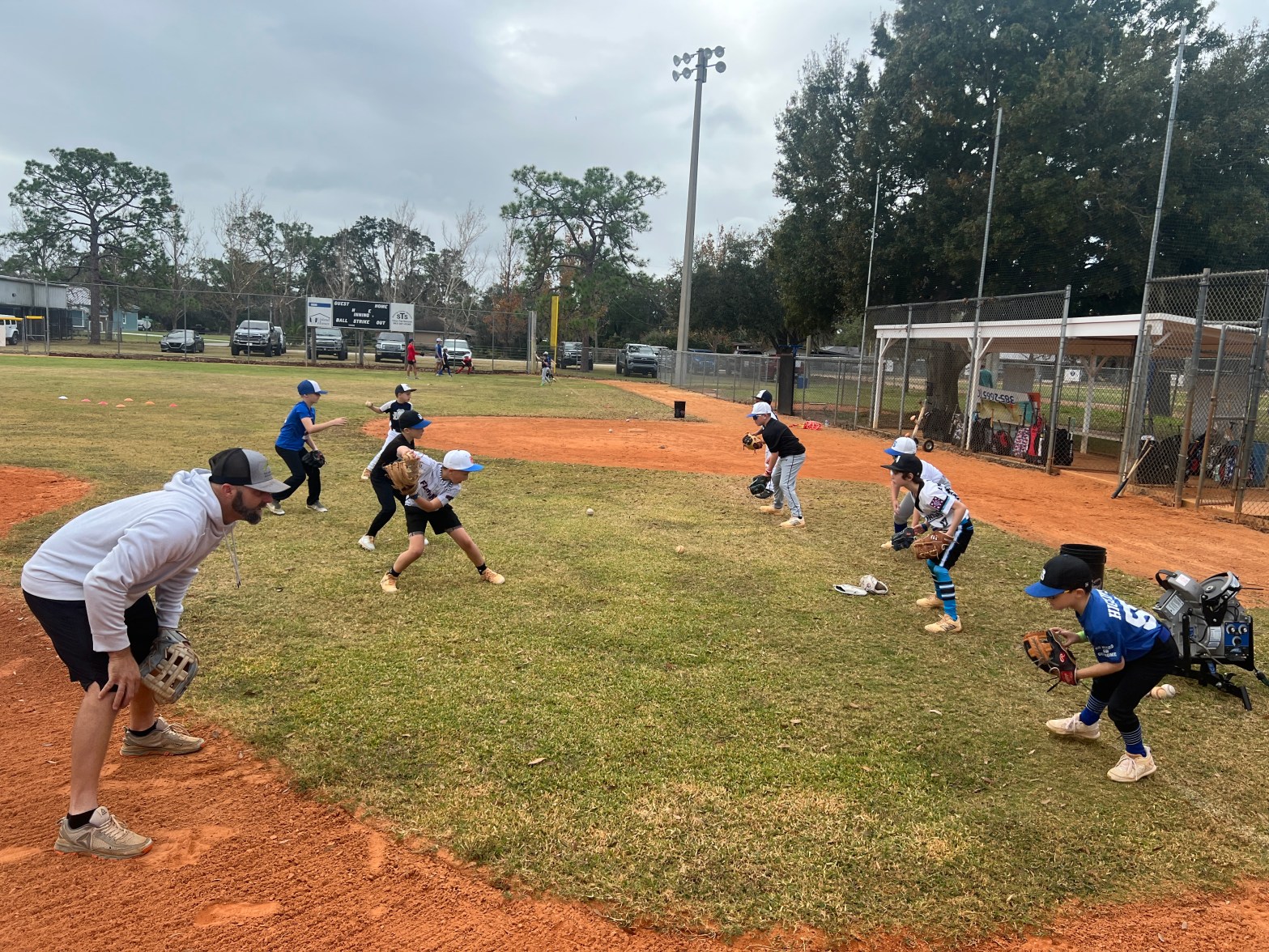
Over the past few months, I’ve contemplated one of the most complicated topics in baseball. Travel ball. This multi-million dollar machine has watered down local rec leagues and become the preferred source of youth baseball. This expensive, multi-layered topic that is travel ball has caused the landscape of the kid’s game to change. As aContinue reading “Travel ball: Is it necessary to be successful?”
Tag Archives: baseball training
3 checkpoints to help coach youth pitchers
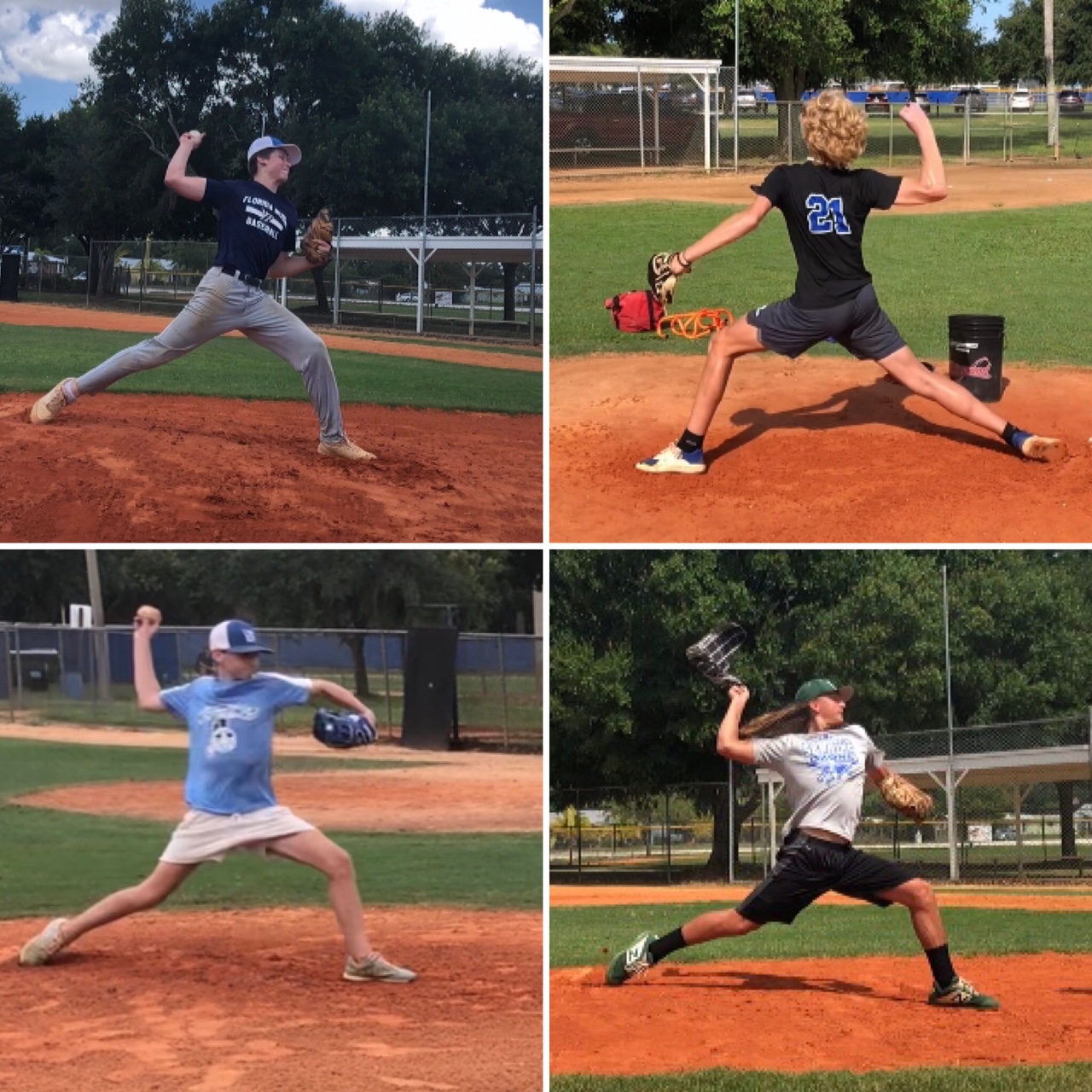
Pitching is one of the most simple looking, complicated things in all of sports.
On the surface, it looks like you just windup and chuck it. Some parents down at your local field may think “some kids got it and some kids don’t”. But what I’ve been able to do the last 10 months proves that statement wrong. While genetics definitely play a role at young ages, quality coaching and developing has a major effect. Research is pretty clear on a few things. First, coordination, balance, and rhythm all improve with coaching. Second, throwing velocity is improved with training. If you learn to move more efficiently, gain core and lower body strength, and train the arm to move fast you can dominate at the youth level as a thrower. Once you become a great thrower you need to learn the art of pitching. This article will detail an easy to follow method that includes checkpoints to help a dad on the weekend or a coach with his young team.
BE A GREAT TEAMMATE – Rant to follow
My concern is that kids are learning that your statistics matter more than the team’s. If you go 4-4 and your team loses by 8, you did good. If you go 0-4 and your team wins 3-1, you did poorly. This form of affirmation can only lead to further problems as that player progresses through the ranks and gets to higher levels. I’ve seen this type player in minor league baseball. The team is up by 5, they strike out, they come into the dugout and throw their helmet and break their bat in the hallway because THEY are struggling.
A curriculum based approach to youth baseball -Part 1

When you drop your child at school, you expect him to learn the things needed to progress to the next level. In school, they call each level a grade. To move on to third grade, you need to show competency of second grade requirements. These requirements are tested and developed with strategies and lesson plans. Parents trust teachers know how to develop those second grade skills. So why are sports different? When a parent drops a kid off at youth baseball practice, how do they know the coach is capable? Teachers go to school for education and continue to learn their craft. Coaches sign a paper and are in charge of such development with possibly no education. It is the wild wild west. Your son or daughter may know as much about the sport at the end of the year as they did to begin. Now, one year older, they move up to more difficult levels. Are they ready?
Separating yourself as a young athlete

Phrases that get past down from generation to generation with no substance behind them drive me nuts. Sayings that you hear trying to elicit motivation with no road map to get to where you want to go. Could you imagine if a coach got his or her players fired up to go somewhere 5 hours away and then didn’t give them directions? If they wanted the whole team to arrive at the destination wouldn’t they want to give as much detail as possible?
Throwing Harder, Running Faster, Jumping Higher

This information was made for you. I created Peak Sports to provide the best quality training service and focus on the specific feats of strength and power that are the separator between good and great. I believe the role of a strength and conditioning coach is there to support the players goals and align my thoughts and goals with the team. Through training for better mobility, gaining strength, and becoming more fit you will be able to hone your skills to a greater degree.
 Peak Sports Performance